12 Resistance Band Exercises for Lower-Body Strength and Hip Stability
08/09/2026 / By Coco Somers
Introduction
Certified personal trainer Amber Yang published a guide on July 17, 2026, detailing 12 resistance band exercises designed to build lower-body strength and improve hip stability. The routine can be performed at home using a single resistance band, according to the guide. It targets the glutes, thighs and hips.
Resistance bands are inexpensive and easy to store, making them a practical option for home exercise, according to an article by Dr. Mercola [1]. A report in The Telegraph noted that maintaining muscle mass helps protect bones and joints, and resistance bands are particularly useful for midlifers [2]. Yang stated in the guide that the exercises are intended to counteract the effects of aging and sedentary lifestyles on hip function.
Hip Health and Resistance Band Training
According to Yang, hip joint mobility gradually declines with age, and a sedentary lifestyle often leads to weak hip muscles and stiff joints. “Maintaining hip health requires improving mobility as well as enhancing stability and muscle strength,” she said in the guide. She noted that the twelve-movement routine with a resistance band can address these issues by effectively loading target muscles.
Resistance bands can make exercises more intense and allow users to leave their comfort zone, according to an article on Mercola.com [3]. Exercise protocols for conditions such as osteoporosis typically begin with the lowest weight levels and emphasize increasing repetitions before increasing weight, a principle that aligns with resistance band training, according to Al Brajnikoff in “Osteoporosis and Osteopenia Exercise Protocols” [4]. In addition to physical benefits, strength training has been shown to improve mood and cognitive function, according to Gary Small and Gigi Vorgan in “2 Weeks to a Younger Brain” [5].
Lower-Body Exercises: Squats, Deadlifts, and Hip Thrusts
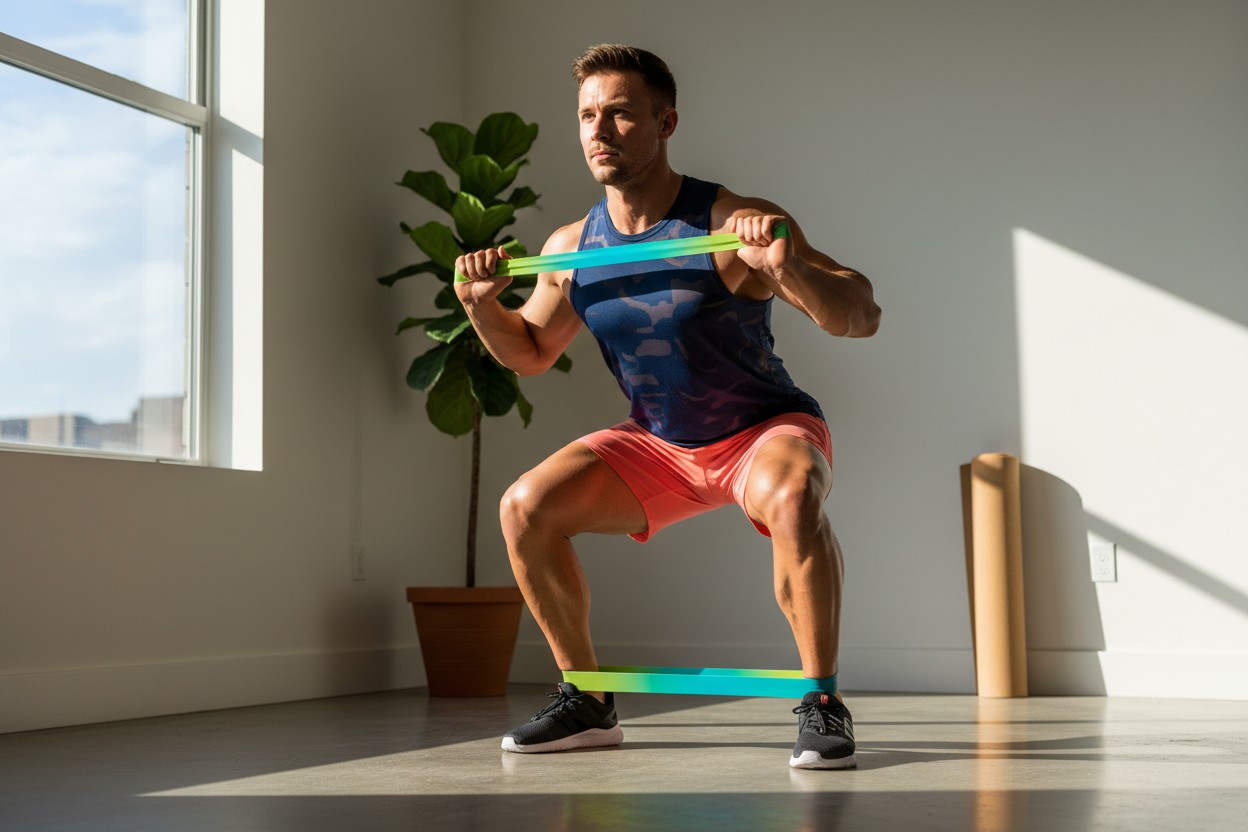
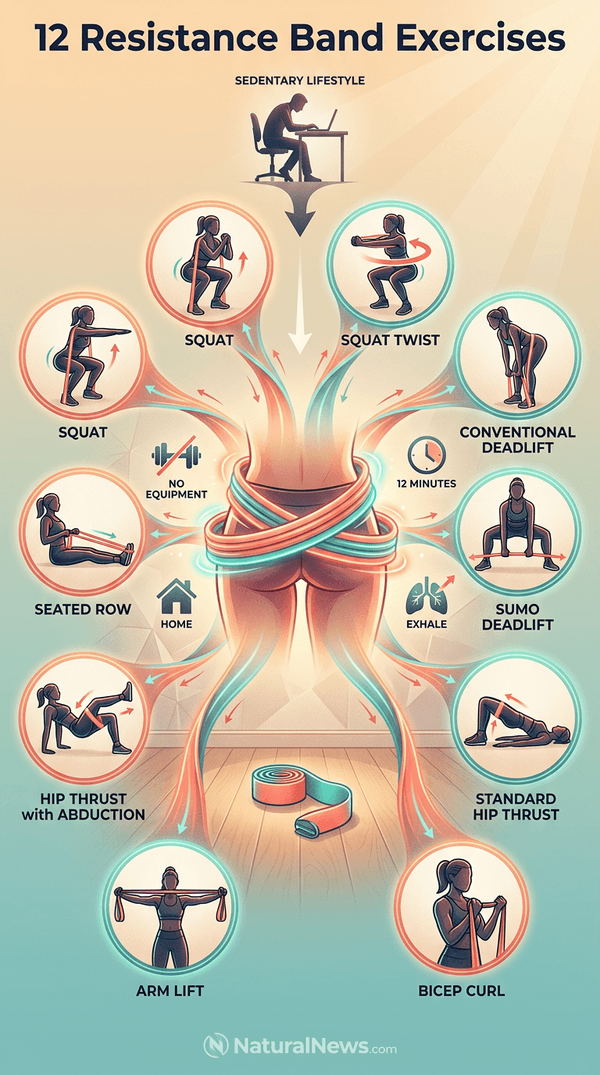
The guide describes several variations of squats, deadlifts and hip thrusts. For the squat, Yang instructs the user to place the resistance band under both feet and loop the middle section behind the shoulders and neck.
The user then lowers into a squat until the thighs are parallel to the floor, according to the guide. A squat twist adds a torso rotation upon standing, she said.
The deadlift and sumo deadlift involve hinging at the hips and pulling the band upward, according to Yang. The sumo deadlift is performed with a wider stance. Hip thrust exercises target the glutes by pressing the knees outward against the band.
Yang described three variations: a standard hip thrust, a 120-degree hip thrust and a hip thrust with abduction. A certified personal trainer has outlined a similar 12-minute at-home workout using a resistance band to target the glutes and legs, according to a report on NaturalNews.com [6]. The guide emphasizes proper form to avoid injury and maximize benefit.
Supplementary Upper-Body and Core Moves
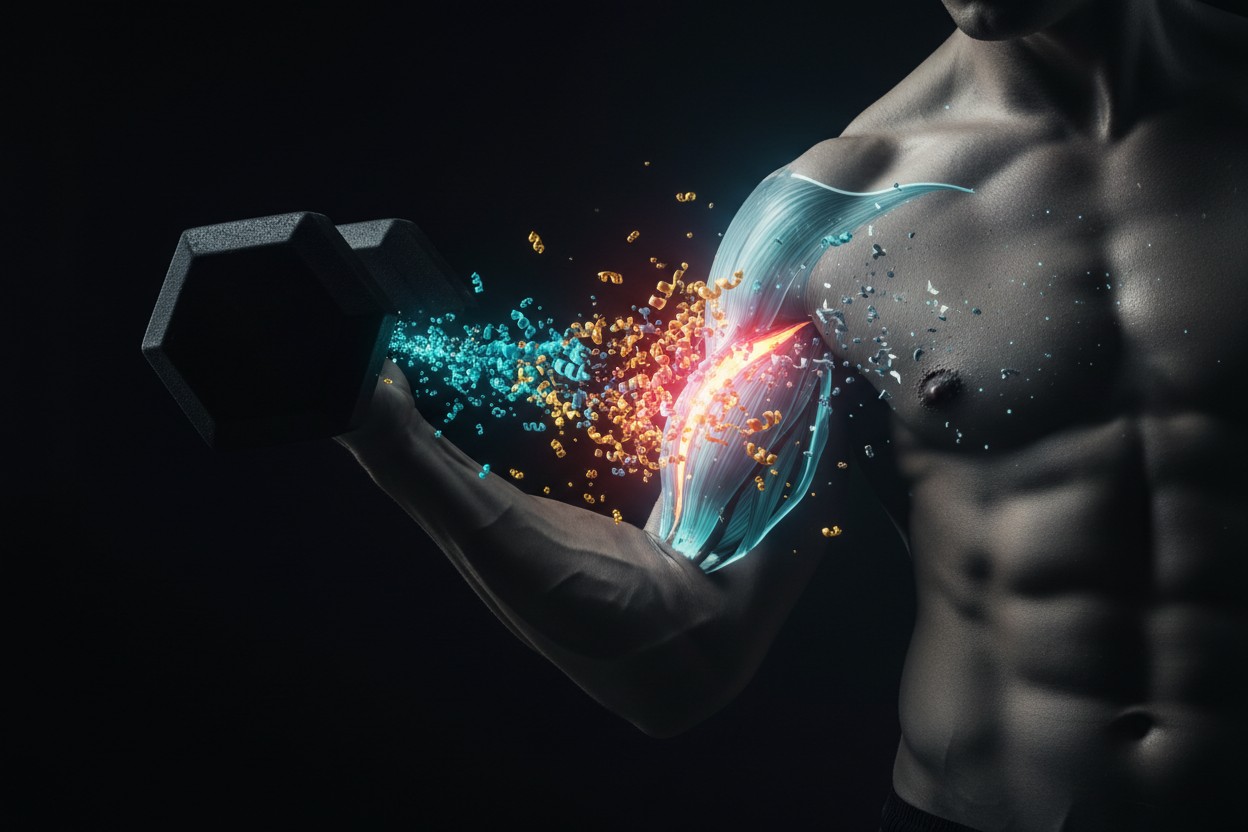
In addition to lower-body exercises, the guide includes four upper-body and core movements: seated row, right and left arm lifts, and right and left bicep curls. According to Yang, these moves engage the back, shoulders, and arms, complementing the lower-body work. For the seated row, the user sits with legs extended, loops the band around the feet, and pulls the ends backward, squeezing the shoulder blades together.
The arm lifts and bicep curls target the shoulders and biceps, respectively. Yang said these exercises provide full-body conditioning but are secondary to the primary lower-body focus of the routine. Resistance bands allow for a variety of upper-body exercises such as chest presses, rows, and bicep curls, according to an article on Mercola.com [1].
Conclusion
Yang recommends beginning the routine with consistent practice and focusing on proper form to achieve strength and stability benefits. The exercises require minimal equipment and can be performed at home, making them accessible for most individuals, according to the guide. Resistance training guidelines from the American College of Sports Medicine emphasize that consistency and practicality matter more than chasing the perfect workout, a report noted [7].
Officials say consultation with a healthcare professional is advised before starting any new exercise program. For individuals with conditions such as osteoporosis, gradual progression is recommended, according to Al Brajnikoff in “Osteoporosis and Osteopenia Exercise Protocols” [4].
References
- Dr. Mercola. “Resistance Bands Help Build Muscle and Power”. Mercola.com. October 14, 2016.
- “The £20 piece of gym equipment midlifers need to build muscle mass at home”. The Telegraph. July 10, 2026.
- Dr. Mercola. “What Are the Benefits of Using Resistance Bands”. Mercola.com. February 28, 2020.
- Al Brajnikoff. “Osteoporosis and Osteopenia Exercise Protocols”.
- Gary Small and Gigi Vorgan. “2 Weeks to a Younger Brain”.
- Petra Stone. “Resistance Band Workout for Glutes and Legs Can Be Completed in 12 Minutes at Home, Trainer Says”. NaturalNews.com. May 23, 2026.
- “Resistance Band Workout for Glutes and Legs Can Be Completed in 12 Minutes at Home, Trainer Says”. NaturalNews.com. May 23, 2026.
Explainer Infographic
Submit a correction >>
Tagged Under:
aging, aging secrets, anti-aging, exercise, fitness, hip stability, longevity, lower-body strength, Men's Fitness, physical activity, physical exercise, resistance exercise, resistance training, senior citizens, strength training, Women's Fitness
This article may contain statements that reflect the opinion of the author
RECENT NEWS & ARTICLES